Personal Loans That Won’t Hurt Your Budget
Budget-Friendly Loans are increasingly becoming a popular choice for those seeking financial flexibility.

In this article, we will explore how personal loans can serve as an effective solution for managing various expenses without putting a strain on your finances.
What type of loan do you need?
Get cash for your dreams
Finance your next adventure
Make your home yours
Access funds for life’s moments
From debt consolidation to home improvement projects, these loans offer a set amount of money that can address unexpected costs.
We will discuss the benefits of checking rates without affecting your credit score and highlight competitive fixed rates coupled with manageable monthly payments, providing you with the knowledge to choose the best option for your financial needs.
Fixed vs. Variable Rates at a Glance
Choosing between fixed and variable interest rates can significantly shape your monthly budget and total loan cost.
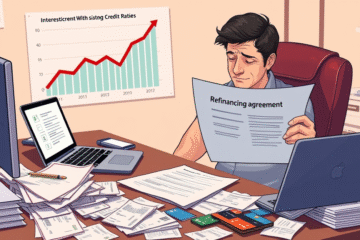
With a fixed-rate personal loan, your interest rate remains constant throughout the loan’s life, offering payment predictability that makes budgeting easier and reduces surprises.
This consistency proves especially valuable if you’re planning long-term or managing other financial obligations.
On the other hand, variable-rate loans typically start with a lower rate, which can save money initially.
However, those initial savings come with the risk of rate increases due to market changes.
As a result, monthly payments on a variable loan can fluctuate, which may strain your financial planning.
Relevant text for short-term borrowers or those with high financial flexibility, variable rates may work if you’re prepared for volatility.
Otherwise, locking in a fixed rate offers long-term stability.
| Fixed | Stable rate for the life of the loan |
| Variable | Rate may rise or fall with the market |
| Budget Impact | Predictable with fixed, fluctuates with variable |
Syncing Payment Dates with Paychecks
Strategically syncing your loan repayments with your paycheck schedule through payment alignment can significantly ease monthly budgeting pressure.

By coordinating payment due dates to occur shortly after payroll deposits, you reduce the likelihood of overdraft fees and avoid mid-cycle cash flow shortfalls.
Most lenders allow date adjustments upon request, making it essential to communicate directly with your loan provider or explore options like the personal loan programs offered by Align Credit Union, which may provide flexible scheduling.
Relevant text: For instance, moving a payment from the 10th to the 28th can better fit a bi-weekly Friday paycheck.
Prioritizing payment alignment fosters consistent budgeting and lowers financial stress while supporting overall financial stability long-term.
Everyday Budgeting for Smooth Repayments
Staying consistent with personal loan repayments requires proactive financial planning supported by practical day-to-day budgeting techniques

Begin by creating a loan-specific expense category in your budget to visually track repayment obligations—this keeps payments top of mind and prevents accidental overspending
Using a strategy like the 50/30/20 budgeting rule helps you divide your income into clear buckets, with 50% for needs, 30% for wants, and 20% toward savings and debt, including loans
Trimming discretionary expenses such as takeout meals or subscriptions ensures extra cash remains available for timely payments
Equally important, prioritize building an emergency fund to cushion any income disruption, avoiding the need to skip payments or incur fees
Debt-focused budgeting plans emphasize minimizing interest by combining smart saving with targeted repayment strategies
- Allocate a category exclusively for your personal loan in your budget
- Reduce non-essential spending like entertainment or dining out
- Automate your repayments to avoid missed due dates
- Refinance to lower interest if eligible, maintaining smaller monthly payments
- Maintain an emergency fund to ensure payment continuity through unforeseen events
Staying Within Your Borrowing Limits
To avoid falling into the trap of overextension when using personal loans, it’s essential to start with a realistic financial evaluation.
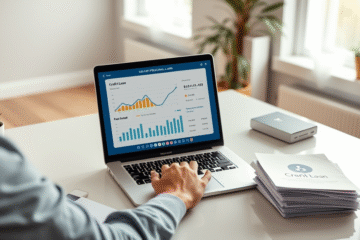
This means carefully reviewing your income, expenses, and current debt obligations before borrowing.
One of the most effective tools to determine your financial readiness is the debt-to-income ratio, which compares your monthly debt payments to your gross monthly income.
For example, if your debts, including a new loan, require $1,500 a month and your gross income is $4,500, your debt-to-income ratio would be 33%, signaling a manageable level.
According to Investopedia’s insights on overextension, anything above 36% can indicate the risk of financial strain.
To stay in control, you also need to set borrowing limits aligned with your future cash flow, not just your current balance.
Tools that allow you to check loan offers based on your credit profile, like those from LendingTree, can help assess what you can realistically afford without damaging your long-term financial stability.
In conclusion, personal loans are valuable tools for maintaining your budget while addressing important financial obligations.
With their flexibility and accessibility, you can confidently take charge of your financial journey.